Book Pool Service for Repairs
Complete Pool Service Guide: Expert Advice for Maintenance, Cleaning, and Everything Else
The "Complete Guide to Pool Service" acts as an essential resource for pool owners looking for effective upkeep strategies. It addresses key elements such as water quality testing, chemical treatment, and scheduled cleaning. Recognizing these components can greatly affect water health and the overall swimming experience. However, many pool owners overlook critical tasks and seasonal adjustments. Discovering these insights can transform a basic pool care routine into a more effective management plan. What key practices might be missing from your approach?
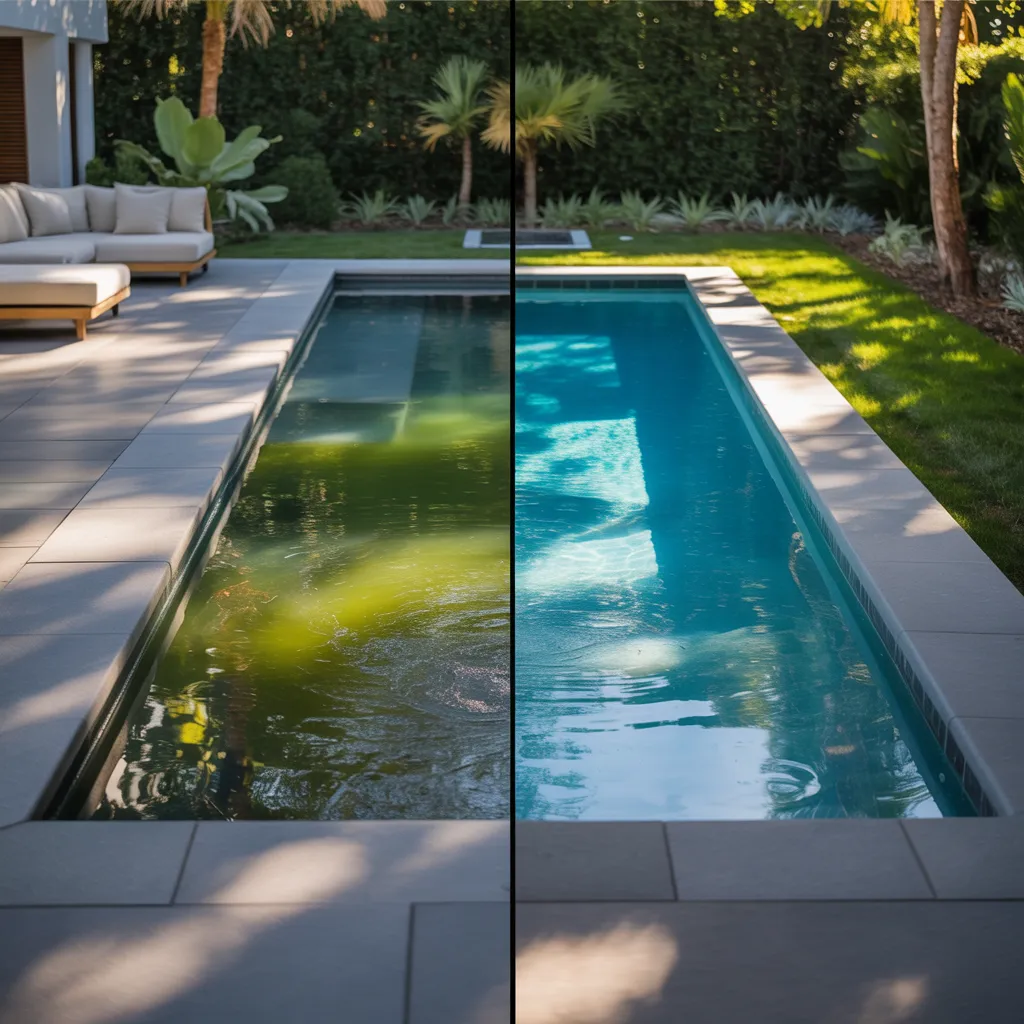
How to Keep Your Pool in Pro-Level Condition
Managing a pool professionally demands a structured method to ensure cleanliness and proper operation. Regularly evaluating water levels is essential, as they should be kept at optimal levels for adequate filtration and flow. Daily surface skimming effectively eliminates debris, while scrubbing the walls and floor on a weekly basis stops algae from accumulating. Furthermore, consistent pool vacuuming is essential for a deep clean.
Regular inspections of the filtration unit are required to maintain optimal performance. Filters require cleaning or replacement when necessary, and the pump must operate effectively. Maintaining a clutter-free and debris-free pool deck also contributes to general upkeep.
Monitoring the swimming pool's physical state, such as tiles and liners, enables prompt repairs. Steady maintenance schedules not only extend the swimming pool's longevity but also create a safe and appealing environment for users. Emphasizing these approaches will allow pool owners to preserve their investment over time.
Pool Chemicals 101: Uses and Guidelines
Comprehending pool chemicals is crucial for maintaining a healthy and safe pool environment. This guide will describe the necessary chemical components used in pool maintenance and offer guidance for their safe handling. Sound knowledge and proper practices can guarantee effective use while reducing hazards.
Fundamental Pool Chemicals
In terms of ensuring a pool remains pristine and safe for use, key pool chemicals serve a vital function. Chlorine is the most commonly used sanitizer, successfully destroying bacteria and managing algae development. pH adjusters, including sodium bicarbonate and muriatic acid, work to sustain proper water chemistry, ensuring the comfort of swimmers and the durability of equipment. Algaecides prevent algae blooms, while clarifying agents boost water transparency by grouping particles for simpler filtration. Additionally, shock treatments are used periodically to eliminate organic contaminants and restore water quality. Regular testing of chemical levels is fundamental to achieve a balanced environment. Careful administration of these critical pool chemicals not only keeps swimmers safe but also maximizes the longevity of the pool and its equipment.
Safety Handling Guidelines
Properly handling pool chemicals is essential for ensuring safety and effectiveness. Individuals should always review labels thoroughly to comprehend the particular handling and storage guidelines. Wearing suitable protective equipment, including gloves and goggles, is essential to reduce contact with hazardous materials. Chemicals should be stored in a cool, dry place, away from direct sunlight and out of reach of children and pets. The mixing of chemicals is especially hazardous; users should avoid combining different types without professional consultation. Should spills or accidents happen, maintaining an emergency kit nearby can significantly lessen associated risks. Ongoing education on chemical safety for all pool maintenance personnel is recommended to foster a secure working atmosphere.
Tips for Keeping Your Pool Water Sparkling Clear
Maintaining crystal clear pool water requires a steady evaluation schedule and a appropriate balance of chemicals. Regularly evaluating the pool water's pH and chlorine readings guarantees that imbalances are corrected without delay. By following these guidelines, pool owners can maintain a refreshing and hygienic swimming space.
Regular Testing Schedule
To maintain sparkling clean pool water, a routine testing plan is necessary. During the swimming season, pool owners should test their water a minimum of once per week. The testing process usually covers pH levels, chlorine concentration, and total alkalinity. Using a testing kit, individuals can quickly determine if the water is balanced or if corrective actions are needed. Sticking to a regular testing routine enables early detection of problems like algae development or murky water. Additionally, testing after heavy rainfall or significant pool usage is advisable, as these factors can alter water chemistry. Taking a proactive stance ensures a safe and welcoming pool experience for every swimmer.
Appropriate Chemical Balance
After establishing a regular testing schedule, understanding the significance of proper chemical balance becomes crucial for pool maintenance. Preserving the right levels of pH, alkalinity, and chlorine ensures that the pool water remains clean and enjoyable for those who swim in it. The pH level should generally stay between 7.2 and 7.8; readings outside this range may cause irritation and damage to pool equipment. Acting as a buffering agent, alkalinity helps stabilize pH levels and ought to be kept within the range of 80-120 ppm. Chlorine plays a key role in sanitizing pool water, and its concentration should ideally be kept between 1-3 ppm. Regularly adjusting these chemicals not only keeps the water crystal clear but also enhances the longevity of the pool and its equipment, ultimately providing a better swimming experience.
Essential Pool Maintenance Tasks You Shouldn't Skip
A well-maintained pool not only enhances the aesthetic appeal of a backyard but also guarantees a safe and enjoyable swimming experience. Consistent upkeep tasks are vital to keeping the pool in top-notch condition. Daily skimming of the surface clears away leaves and debris, stopping them from settling and promoting algae growth. Vacuuming the pool weekly helps maintain cleanliness and clarity, while brushing the walls and tile surfaces prevents the buildup of dirt and grime.
Inspecting and clearing the skimmer and pump baskets on a routine basis is critical for proper circulation and filtration. Monitoring the water level is equally important, as low levels can damage pumps. Moreover, examining and backwashing the filter as required ensures efficient operation. Lastly, testing and regulating the chemical balance, including pH and chlorine levels, is necessary for safe swimming. Overlooking these duties can cause significant complications, making routine maintenance an obligation for pool owners.
Correcting Common Pool Water Problems
Tackling common pool water challenges is vital for preserving a safe swimming experience. A prevalent concern is cloudy water, commonly due to inadequate chemical ratios or insufficient filter performance. To fix this, evaluating the water chemistry and adjusting pH levels, alkalinity, and sanitizer concentration is essential.
A common problem is algae growth, which can spread rapidly expert advice in warm, poorly sanitized water. Consistently shocking the pool using chlorine and cleaning the walls with a brush can help eliminate algae.
Hard water can lead to scaling issues and cloudiness; the use of a water softener or sequestering agent can effectively reduce these problems.
Lastly, excessive chlorine content can result in skin discomfort and unwanted smells. Introducing fresh water into the pool and letting it circulate properly can help restore safe chlorine levels.
Seasonal Pool Care: Your Year-Round Guide
Maintaining pool water quality is just one aspect of effective pool management. Seasonal care is vital for guaranteeing the longevity and efficiency of a pool. As spring arrives, detailed cleaning efforts, including debris removal and equipment inspection, lay the groundwork for a enjoyable summer season. Routine water chemistry testing during the hotter months assists in curbing algae growth and sustaining clear water conditions.
When fall arrives, fallen leaves and debris accumulate more frequently, necessitating frequent skimming and vacuuming. Moreover, pool winterization becomes necessary, involving lowering the water level, adding antifreeze, and covering the pool to protect it from harsh weather.
Throughout the winter months, routine examinations of the cover and equipment ensure all components stay in proper working order. As spring approaches, owners are able to reopen with peace of mind, having followed a meticulous seasonal care routine. By observing these seasonal maintenance practices, pool owners can enjoy a safe, clean, and inviting swimming environment year-round.
Frequently Asked Questions
How Often Do I Need to Replace My Pool Filter?
Pool filters are usually replaced every 1 to 5 years, depending on the type and usage. Routine inspections can help identify the ideal replacement time, maintaining excellent water quality and system efficiency during the entire swimming season.
What Are the Signs of a Failing Pool Pump?
Symptoms of a damaged pool pump encompass abnormal sounds, reduced water circulation, repeated circuit breaker trips, water leaks near the pump, and elevated power consumption. Addressing these issues promptly can minimize additional harm.
Is It Safe to Swim Right After Adding Chemicals?
Swimming right after adding chemicals is typically not advised. It is advisable to wait several hours or until the chemical levels stabilize, which helps ensure safe swimming conditions while preventing possible skin or respiratory irritation.
What Is the Proper Way to Winterize My Pool?
When winterizing a pool correctly, it is important to clean the pool, reduce the water level, introduce winterizing chemicals, secure the cover tightly, and guarantee all equipment is properly drained and stored to protect against damage during the winter months.
What Should I Do if My Pool Is Leaking?
If a pool leaks, the first step for the owner is to locate the source of the leak, before sealing any cracks or holes that are visible. If necessary, seeking the help of a professional ensures lasting repairs and avoids additional deterioration.